Paid Internship vs Unpaid Internship: What Actually Pays Off in Your Career
"Paid vs unpaid internship? Compare stipend, learning, mentorship, brand value, networking, work experience, and job prospects to choose the internship that actually builds your career. Practical guide for freshers in India with practical advice now!!"
pooja
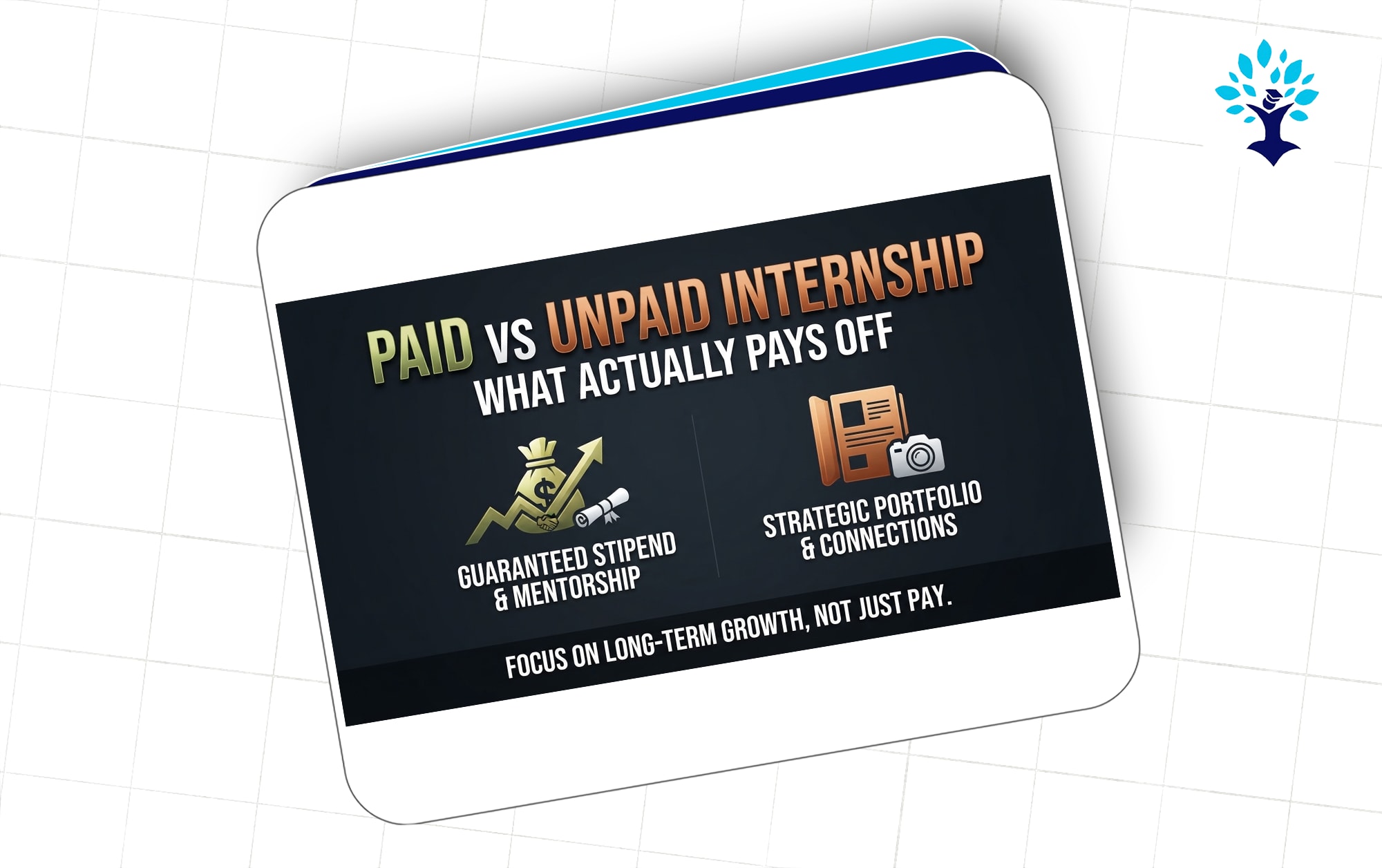
Paid Internship vs Unpaid Internship
Every fresher runs into this fork in the road sooner or later. Two internship offers land in the inbox in the same week — one comes with a stipend, the other comes with the phrase "great exposure" attached to a certificate promise. And suddenly you're sitting there trying to figure out which one is going to matter when you're applying for your first real job six or eight months from now.
There isn't a clean answer here, no matter how much you'd like one. A paid internship at a company that treats interns as cheap labour with a fancy title isn't better than an unpaid one where you're learning from people who take the time to teach you something. The stipend is one variable in a decision that has a lot more moving parts than most freshers give it credit for. What ends up mattering is what you walk away with at the end of it — skills you can talk about in an interview, people who'll vouch for you, work you can show, and occasionally, if you're lucky, a full-time offer waiting at the finish line.
So let's actually work through this properly instead of treating it as a money question, because it isn't one. For students who are still trying to get their first opportunity, finding an internship with no experience required may be the bigger challenge when they don't yet have a long list of previous experience.
What You're Really Getting With a Paid Internship
Money hitting your account every month matters, especially if you're a student or a fresh graduate footing your own bills, and nobody should pretend otherwise. But the value of a paid internship goes beyond the number in your bank statement. When a company is willing to pay interns, it usually means they've built some kind of structure around the role — onboarding that isn't thrown together the night before you join, a manager who's expected to give you feedback, and often a defined path from intern to full-time employee if you perform well.
There's also a quieter benefit that people rarely talk about: accountability runs both ways. When a company pays you, they expect something in return, and that pressure tends to push you to learn faster and take the work more seriously than you might if there were nothing on the line. Recruiters notice this too. A paid internship, even a short one, carries more weight on a resume than an unpaid stint at a similar company, purely because it signals the market already thought your work was worth paying for.
None of this comes free, of course. Paid internships, especially at known brands, MNCs, or well-funded startups, attract a flood of applications. The bar to even get shortlisted is higher, and a lot of freshers get filtered out early without some prior project work or a strong academic record to lean on.
When Unpaid Internships Are Still Worth Taking
Unpaid doesn't automatically mean exploitative, though plenty of freshers have been burned by roles that were unpaid and pointless in equal measure. There are situations where working without a stipend genuinely makes sense, and it's worth naming a few of them.
Early-stage startups running on tight budgets sometimes offer real ownership of meaningful projects, even if they can't pay much or anything at all in the first few months. NGOs and social sector organisations fall into a similar category, where the mission and the network you build matter more than what lands in your account. Certain fields- journalism, film, design, publishing- still run on unpaid internships at reputed names that open doors money simply can't buy. And if you're starting from absolute zero with nothing on your resume, an unpaid role that gives you something concrete to show can be worth the short-term sacrifice.
The test to apply before accepting any unpaid position is fairly simple. Ask yourself whether they're teaching you something you couldn't have picked up on your own, or whether they're just using you to avoid paying someone for work that clearly needs a paid employee. If it's the second one, that's your answer, and it's a no.
What Matters More Than the Pay Cheque
Before you let stipend size decide for you, weigh a few things that will tell you far more about whether an internship will actually help.
Will you be doing work with real substance, or stuck on admin tasks and coffee runs for three months straight?
Is there someone senior who'll actually sit down and review what you've done, rather than leaving you to figure it out alone
Does the company or organisation carry weight when you mention it later in an interview?
Do past interns from this place tend to get converted into full-time roles, or does everyone leave after the internship ends
Will you walk away with a certificate and a recommendation letter that means something on paper?
A five-thousand-rupee stipend at a place where you're stuck filing spreadsheets all day is worth less than an unpaid internship where you're actually building projects you can put in a portfolio. Pay is easy to compare. Learning outcomes take a bit more digging, but they're the part that actually shapes your career.
Making the Call Between a Specific Paid and Unpaid Offer
If you're choosing between two real offers sitting in front of you right now, the decision usually comes down to a handful of questions. If you're still weighing the two options and want to look at the decision from the broader perspective of what each type of internship can actually offer, this paid or unpaid internship comparison can help you think it through. When both roles offer roughly the same learning and growth, take the paid one without much hesitation. There's rarely a good reason to work for free when a paid option gives you the same value on the table. If the unpaid role is at a considerably more reputable organisation, or opens up a network you couldn't access otherwise, it might be worth the trade-off for a few months. But if the unpaid internship has no clear learning outcome and feels like a way to dodge paying for real work, it's fine to walk away from it.
One thing worth doing before you accept either offer: talk to someone who's already worked there. A quick message to a past intern on LinkedIn will tell you more about the real day-to-day than any job description ever will. People are usually honest about this when asked directly, and it can save you three wasted months. For freshers specifically, one paid internship on a resume tends to carry more weight with recruiters than two unpaid ones put together, even if the paid one only lasted eight or ten weeks. It's not really about the money. It's about what that money represents to the person reading your resume.
What's Changing in the Indian Job Market Right Now
More companies in India, across IT services, D2C startups, and even mid-sized manufacturing firms, are formalising their internship programs with defined stipends. Some of this is driven by stricter labour compliance expectations, and some of it comes down to companies realising that paid internships help them retain better talent once the internship period ends. That's a good sign if you're on the job-seeking side of this. It means a completely unpaid internship with no structure behind it is increasingly a red flag rather than the norm it used to be. If you come across one, it's worth asking a few extra questions before signing on, rather than assuming it's just how things work.
A Few Things Nobody Tells You Upfront
There's a practical side to this decision that rarely gets discussed, and it's worth knowing before you sign anything. Stipends below a certain threshold in India generally aren't taxed, so a paid internship rarely creates any tax headache for a student, but it's still worth checking whether the company classifies you as an intern or as a consultant on a contract, since the second one can affect how you file returns later if the stipend is substantial. It's a small detail, but it saves confusion in March when filing season comes around.
There's also the question of remote versus in-office internships, which changes the calculation a bit. Remote work can also become more than just an internship arrangement; for freshers who build the right skills, it can open the door to some of the best-paying remote jobs in 2026 without being tied to a traditional office setup. A remote unpaid internship at a company two time zones away might sound appealing on paper, but without in-person mentorship, it's easy to end up doing busywork nobody's really checking on. If you're going to take an unpaid role, an in-office one where someone can actually see your work tends to produce better outcomes than a remote one where you're mostly left alone with a task list and a Slack channel.
And one more thing worth saying plainly: it's completely fair to negotiate. A lot of freshers assume the stipend on the offer letter is fixed, but especially with startups, there's often more flexibility than people expect, particularly if you're bringing in a skill the team doesn't already have, like video editing, running paid ads, or basic coding. Asking doesn't hurt your chances, and worst case, the answer is just no.
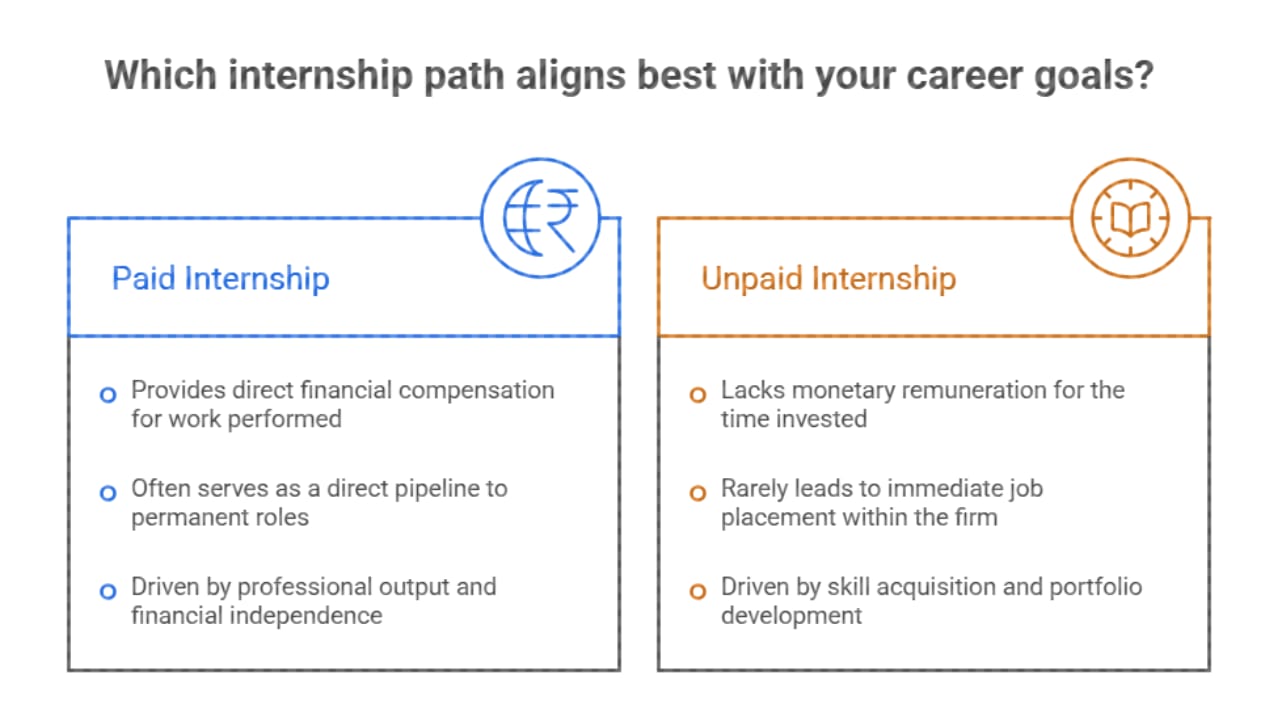
Final Thought
Don't let the paid-versus-unpaid question become the only thing you judge an internship by. Ask what you'll actually learn, who you'll be working under, and where the role is likely to lead a year from now. A stipend is nice to have, and there's no shame in wanting one, but a strong reference and real, demonstrable skills are what get you hired down the line. Pick the internship that builds your resume for the job you actually want next, not just the one that pays a little extra right now.
Related Articles
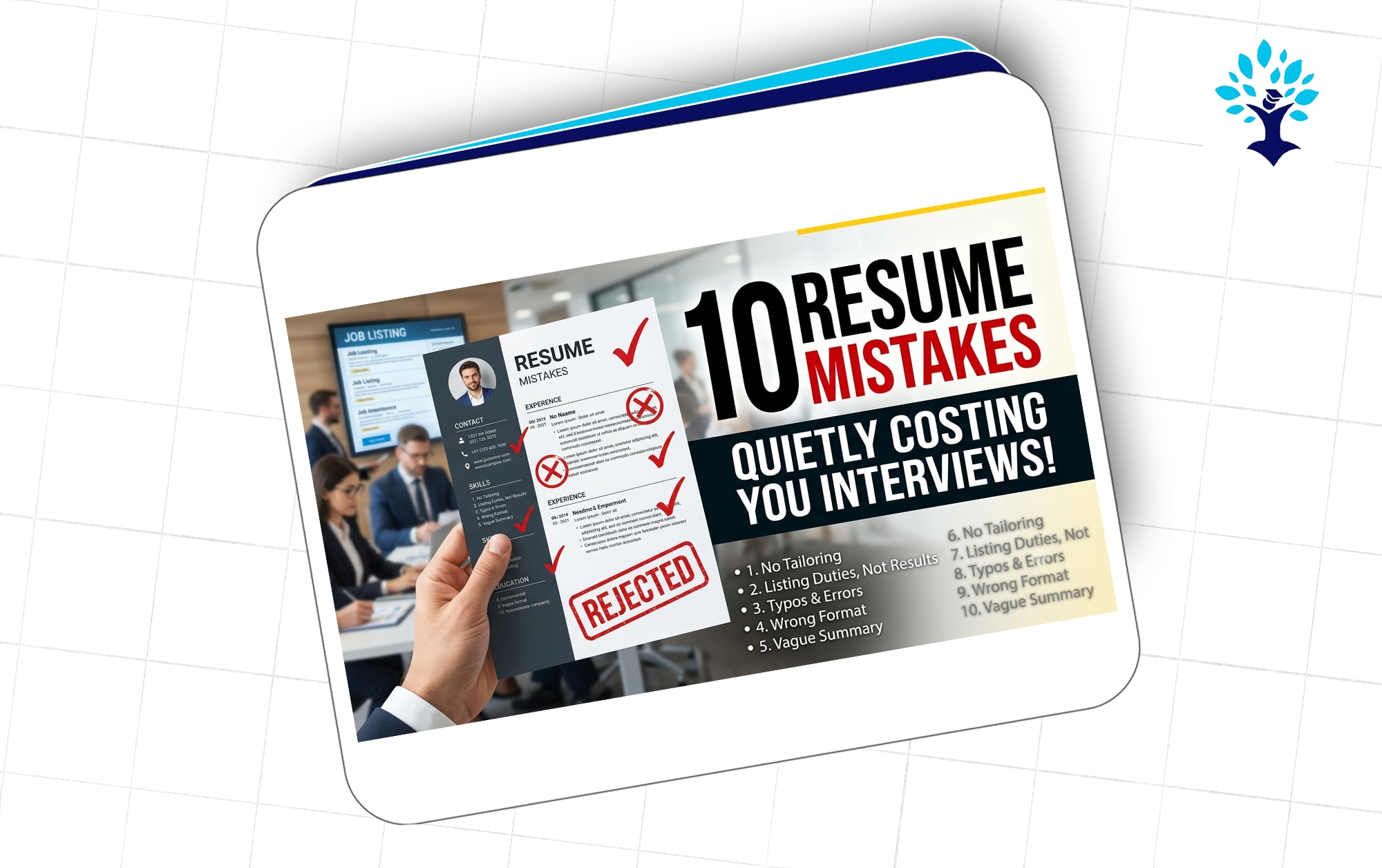
10 Resume Mistakes That Are Quietly Costing You Every Interview
"Discover the 10 common resume mistakes that silently cost candidates interviews. Learn how to improve your resume, stand out to recruiters, and increase your chances of landing more job opportunities."
6 min read
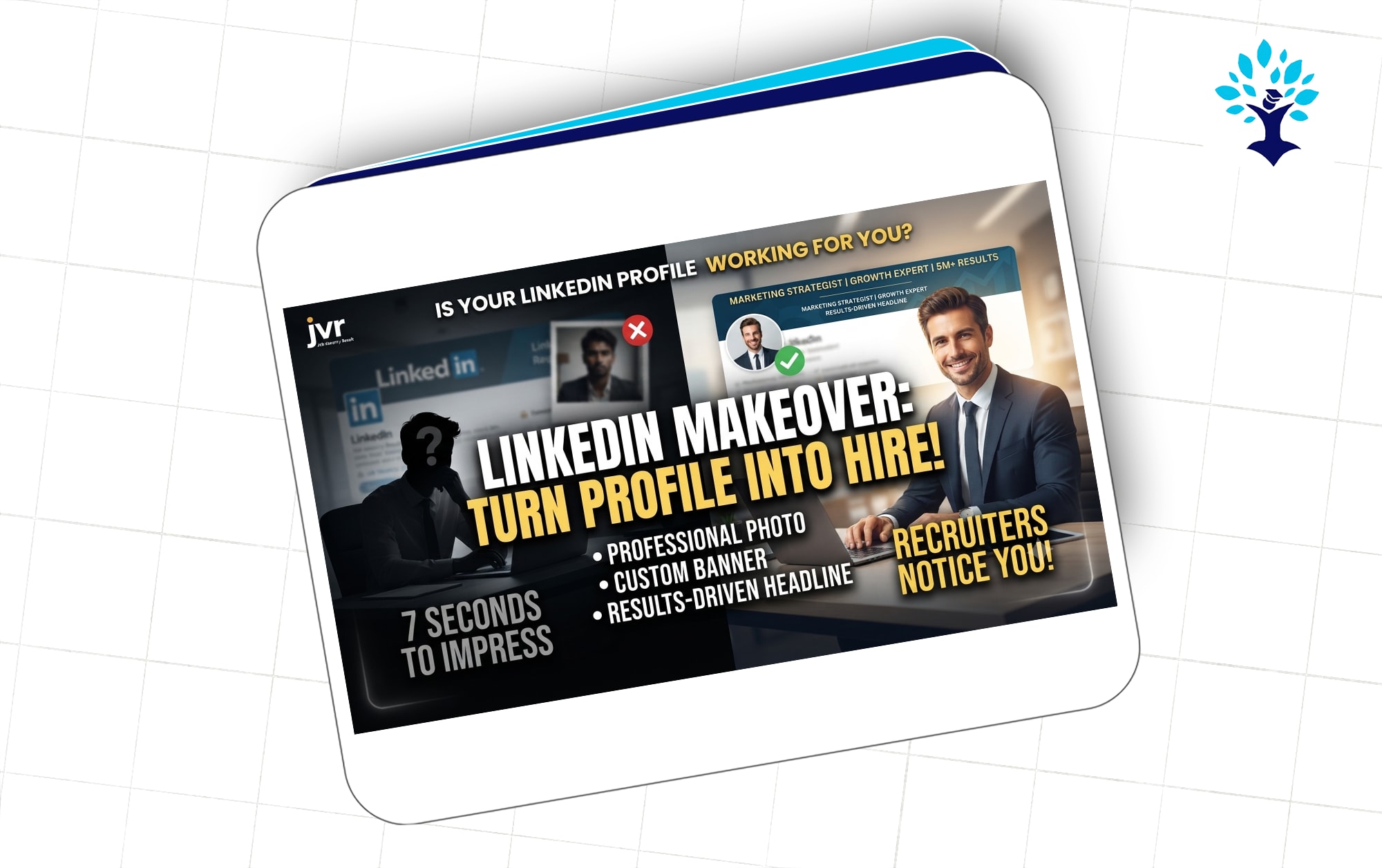
Your LinkedIn Profile Is Working a Night Shift — Make Sure It's Actually Good at the Job
"Recruiters spend just seconds reviewing LinkedIn profiles. Learn how to Optimize your photo, headline, About section, skills, and experience to increase profile views, recruiter interest, and job opportunities."
6 min read
Should You Let AI Write Your Resume? Here's the Honest Answer Nobody's Giving You
"Everyone's using AI to write resumes—but should you? Here's the honest truth about what AI gets right, where it backfires, and how to create a resume that impresses both ATS systems and human recruiters."
7 min read